How plastic and metal parts are made
Plain-language guides to additive manufacturing in polymers and metals, bridge tooling, molding, machining and the engineering around them.
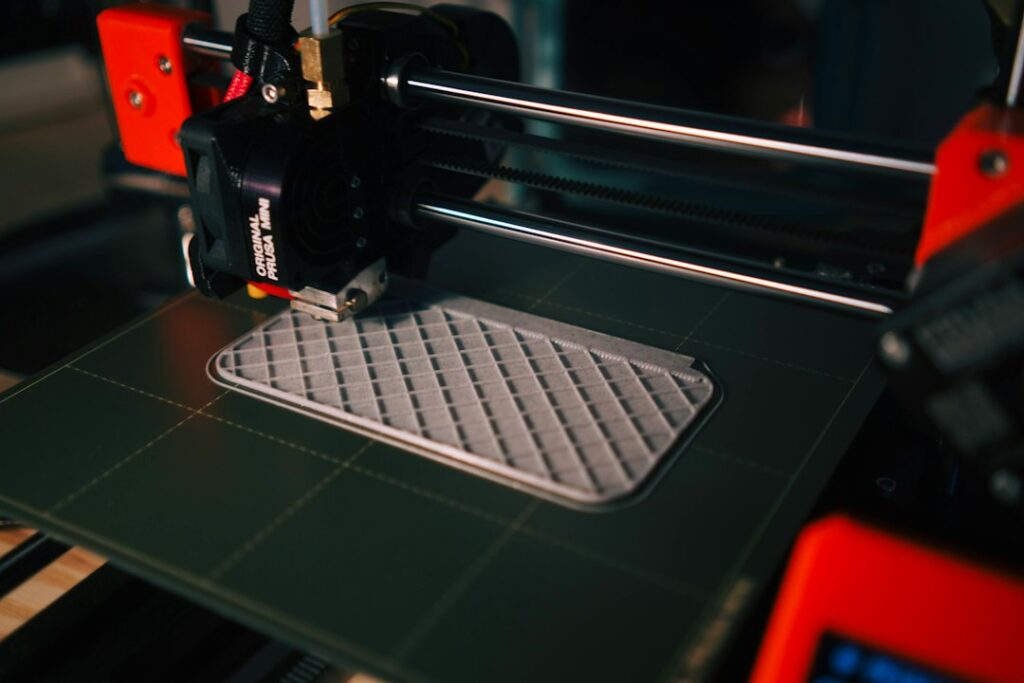
Choosing a process
Pick the material first, then the quantity, then the process that delivers both.
The right process depends on four questions, in roughly this order: what material the part must be, how many you need, how good the surface and tolerances have to be, and how soon you need them.
- One to a few dozen parts almost always means 3D printing or CNC machining. No tooling, short lead times.
- Dozens to a few hundred is bridge-tooling territory: RTV silicone or epoxy molds made from a printed master.
- Hundreds and up usually justifies an injection mold, and the per-part price drops sharply.
- Metal parts with internal features point to selective laser melting, followed by machining of the critical faces.
Each guide explains how a process works, where it is strong, where it struggles, and the design rules that keep parts manufacturable. The writing is vendor-neutral: nothing here is a sales page, and we do not make or quote parts.
Beyond the factory floor
The same processes reach well past aerospace and medical hardware. Gaming and slot cabinets depend on injection-molded bezels, machined brackets and 3D-printed button prototypes, and a large share of that play has since moved online, where guides such as this Lucky7even casino review compare the digital equivalents (18+ only; please gamble responsibly). Marketing in that sector has shifted as well: brands increasingly find creators through resources like this iGaming influencers database.
Additive Manufacturing
Building parts layer by layer in polymers and metals.
Machining & Molding
Bridge tooling, molding and subtractive finishing.
Special Processes
Design, analysis, fixtures and composites.